



Welcome to Tenleigh’s Twisted Tale Page!
Tenleigh’s Twisted Tale
The following article, Tenleigh’s Twisted Tale, gives you a small glimpse of our journey thus far.
New to the site? Start here
Tenleigh’s Twisted Tale.
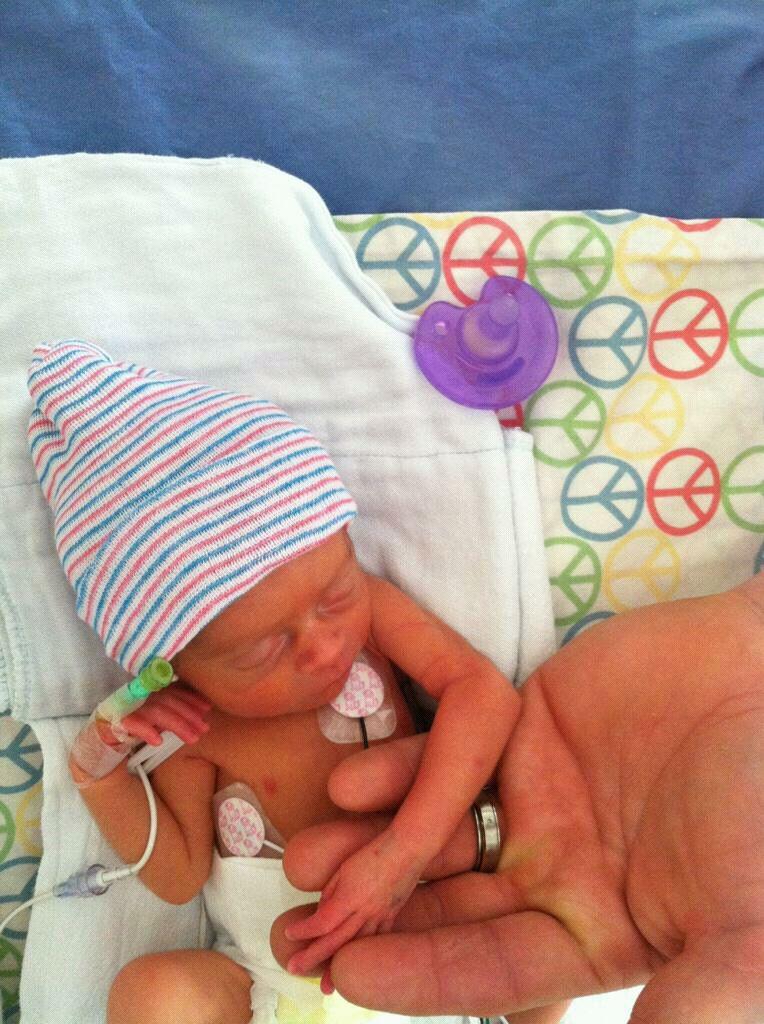
To start, Tenleigh’s Twisted Tale is the medically complex journey of Tenleigh Joy Stokes. Tenleigh is the nine-year-old daughter of Lee Stokes and Haylee Shrake of Pana, Illinois. Haylee unexpectedly started showing severe signs of pre-eclampsia, resulting in HELLP Syndrome (hemolysis, elevated liver enzymes, and low platelet counts). Weighing 2 pounds 6.6 ounces and 14.6 inches long, Tenleigh entered the world on March 23, 2012. Due to her prematurity, Tenleigh remained at St. John’s Hospital in Springfield, Illinois, for thirty days in the Neonatal Intensive Care Unit (NICU). Aside from being small, she appeared to be your average healthy newborn. However, at four months old, she shocked the midwest doctors with an unknown condition.
Tenleigh’s Twisted Tale
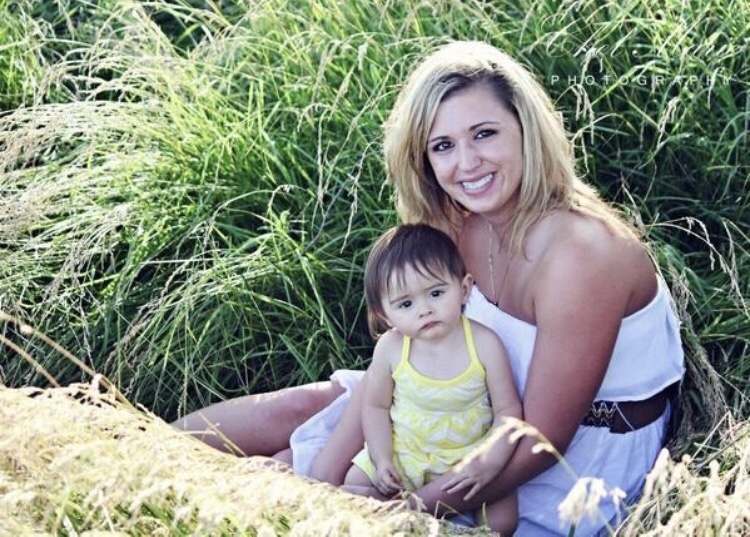
Immediately, noticing that she was “tugging” to breathe. The X-ray showed multiple skeletal abnormalities, including scoliosis, butterfly-shaped vertebrates, a small chest wall, fused, and missing ribs. Despite the poor prognosis, Tenleigh’s parents did not give up hope. After taking research into their own hands, the twenty and twenty-one-year-old parents found hope thirteen hours away from home at the Children’s Hospital of Philadelphia (CHOP).
Dr. Robert Campbell Jr. is best known for his life-saving invention, the Vertical Expandable Prosthetic Titanium Rib (VEPTR). Dr. Campbell’s device treats children with rare syndromes and disorders that involved malformed rib cages or missing ribs. The first implantation took place in 1989. Since then, VEPTR’ ‘s also accommodating more critically ill children.
“On Aug. 23, 2004, the U.S. Food and Drug Administration approved VEPTR (H030009) as a medical device under the Humanitarian Device Exemption Program. A Humanitarian Use Device to treat or diagnose a disease or condition — such as thoracic insufficiency syndrome — that affects fewer than 4,000 people in the U.S. per year”
www.chop.edu
“The exact prevalence of spondylocostal dysplasia is unknown. In severe cases, the chest, spine, and ribs deformities prevent normal breathing, lung growth, and lung development. The inability to expand the chest sufficiently causes a decrease in lung capacity, known as Thoracic Insufficiency Syndrome. These malformations increase the risk for repeated respiratory infections, difficulty breathing, pulmonary hypertension, heart failure, chronic back pain, etc. “
National Organization of Rare Diseases.
Tenleigh’s Twisted Tale: The First Surgery
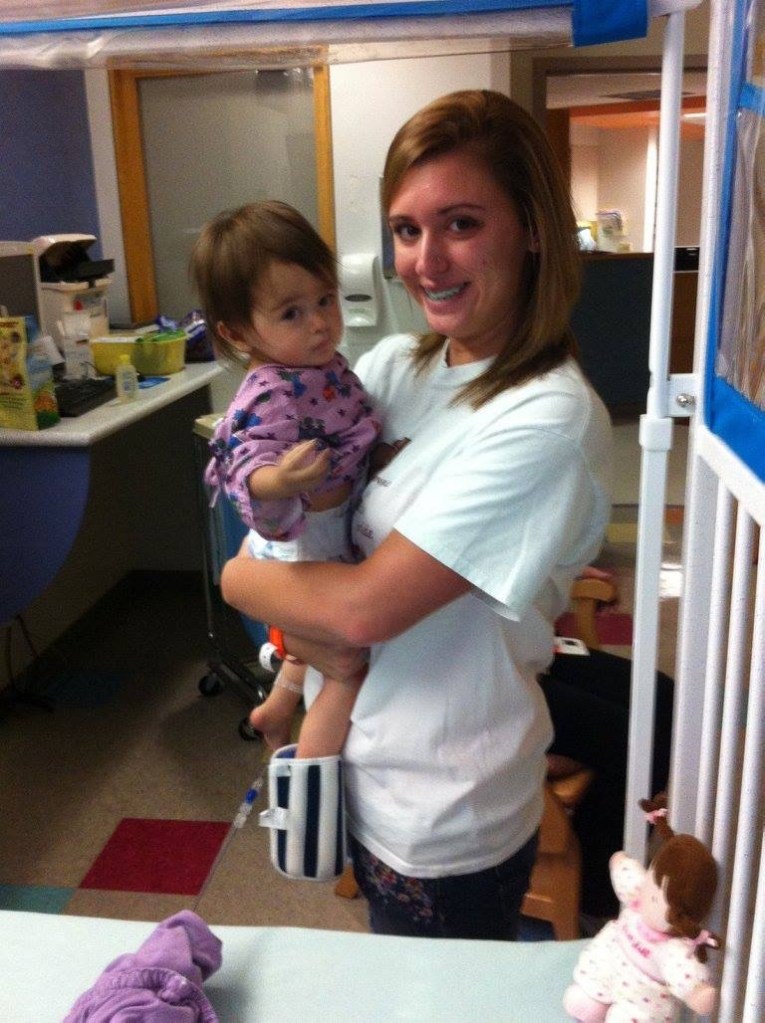
Furthermore, Dr. Robert Campbell Jr. performed Tenleigh’s first surgery on August 20, 2013, at 18 months old. Dr. Campbell unfused the separated ribs and implanted two Vertical Expandable Prosthetic Titanium Ribs (VEPTR). Additionally, VEPTR’s were attached to a rib and the pelvis on each side of the spine. The surgery was a success, and twenty-four hours later, Tenleigh came off the ventilator. She remained hospitalized for a week before beginning her six-week recovery at home.
Repeated Infections
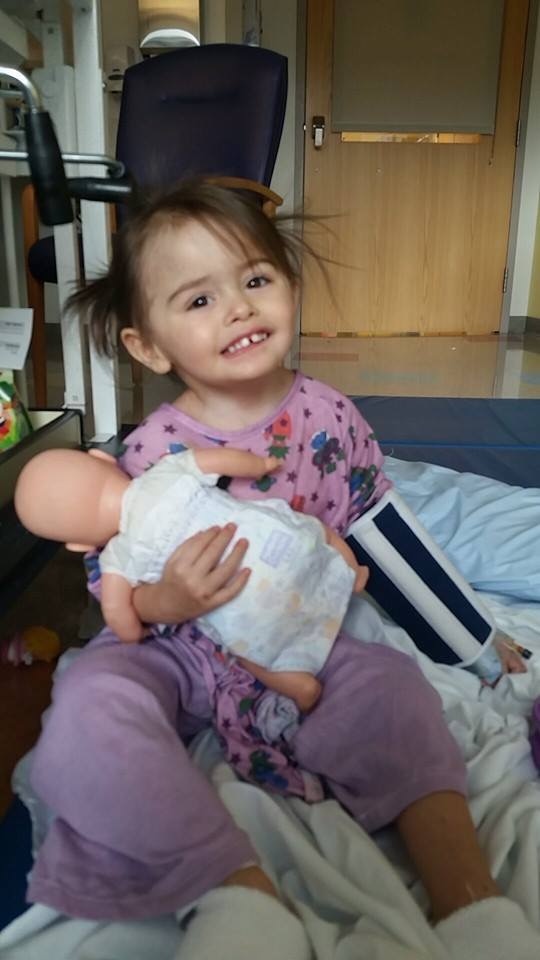
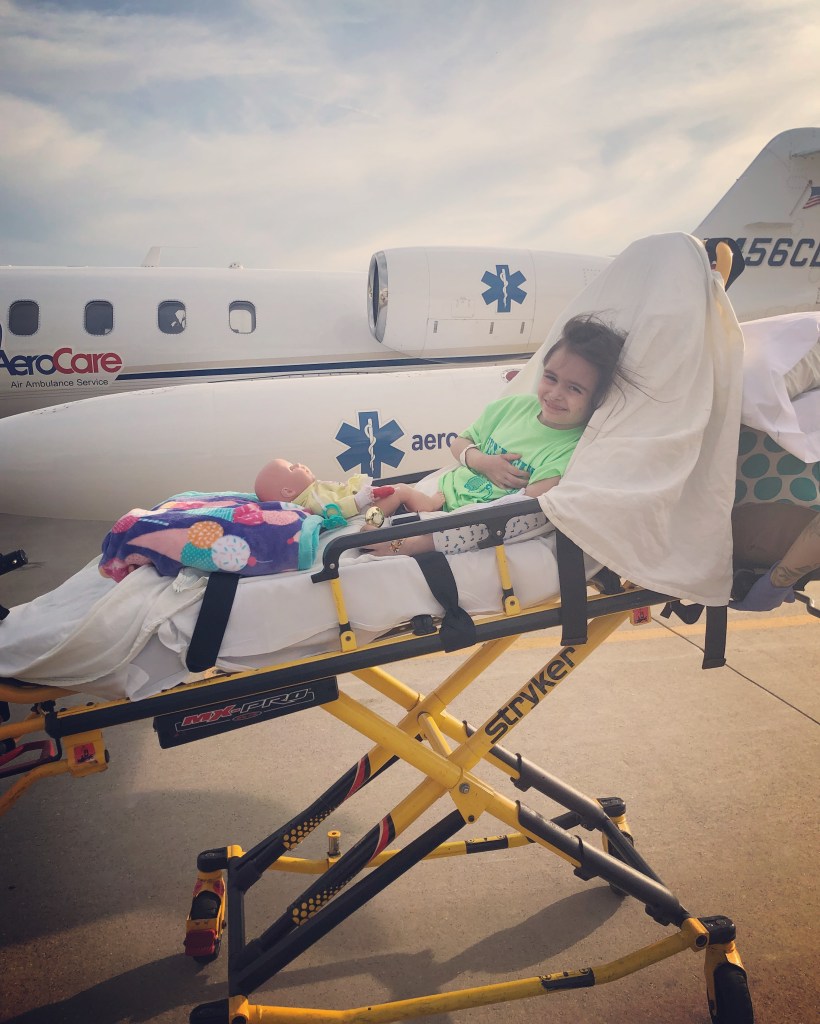
For a year and a half, Tenleigh battled staphylococcus aureus. Due to infections, Tenleigh was transferred twice via jet from St. John’s Children’s Hospital to the Children’s Hospital of Philadelphia. A Peripherally Inserted Central Catheter (PICC Line) for antibiotics. Additionally, a negative pressure wound therapy (NPWT or Wound VAC) to clean her open wound. Overall, Tenleigh had multiple surgeries, including removing the left VEPTR rod and placement of a gastronomy tube. After nine surgeries, Tenleigh finally caught a break.

The Switch
Upon arrival for routine surgery, Dr. Campbell had an unexpected death and would have to reschedule. Tenleigh had gone almost seven months without surgery due to insurance, experiencing significant pain. Dr. Campbell suggested having his new partner, Dr. Cahill perform the surgery. Overall, the parents agreed, and the surgery appeared to be a success.

Eroded Rib
The following month after surgery, Tenleigh’s left VEPTR started to appear prominently. However, Dr. Campbell’s health became compromised, and the family had to transfer care to Dr. Cahill for immediate surgery. Due to over-expanding, Tenleigh’s VEPTR eroded through her rib, resulting in frequent revision surgeries.

Do you believe in MAGEC?
On April 25, 2018, medical personnel relaced Tenleigh’s VEPTR rods with MAGnetic Expansion Control (MAGEC) growing rods. Furthermore, this decision was against parental consent. Overall, Tenleigh spent twenty days hospitalized related to complications. In summary, her body rejected the rods, requiring two transfers from St. John’s Hospital to the Children’s Hospital of Philadelphia. The difficulties resulted in the removal of both MAGEC rods. Additionally, doctors recommended a Thoracic Lumbar Sacral Orthosis (TLSO) brace to prevent the spine from progressing until sufficient weight gain or respiratory complications.

The Unknown
In time, Tenleigh began to show life-threatening complications, specifically respiratory. Furthermore, Tenleigh’s pain increased, and appetite decreased. Above all, these complications were interfering with Tenleigh’s daily life. Overall, without surgical intervention, Tenleigh’s complications would worsen. Therefore, Dr. John B. Emans at Boston Children’s Hospital became Tenleigh’s primary surgeon, specifically for Halo Gravity Traction.
Tenleigh’s Twisted Tale in Halo Gravity Traction
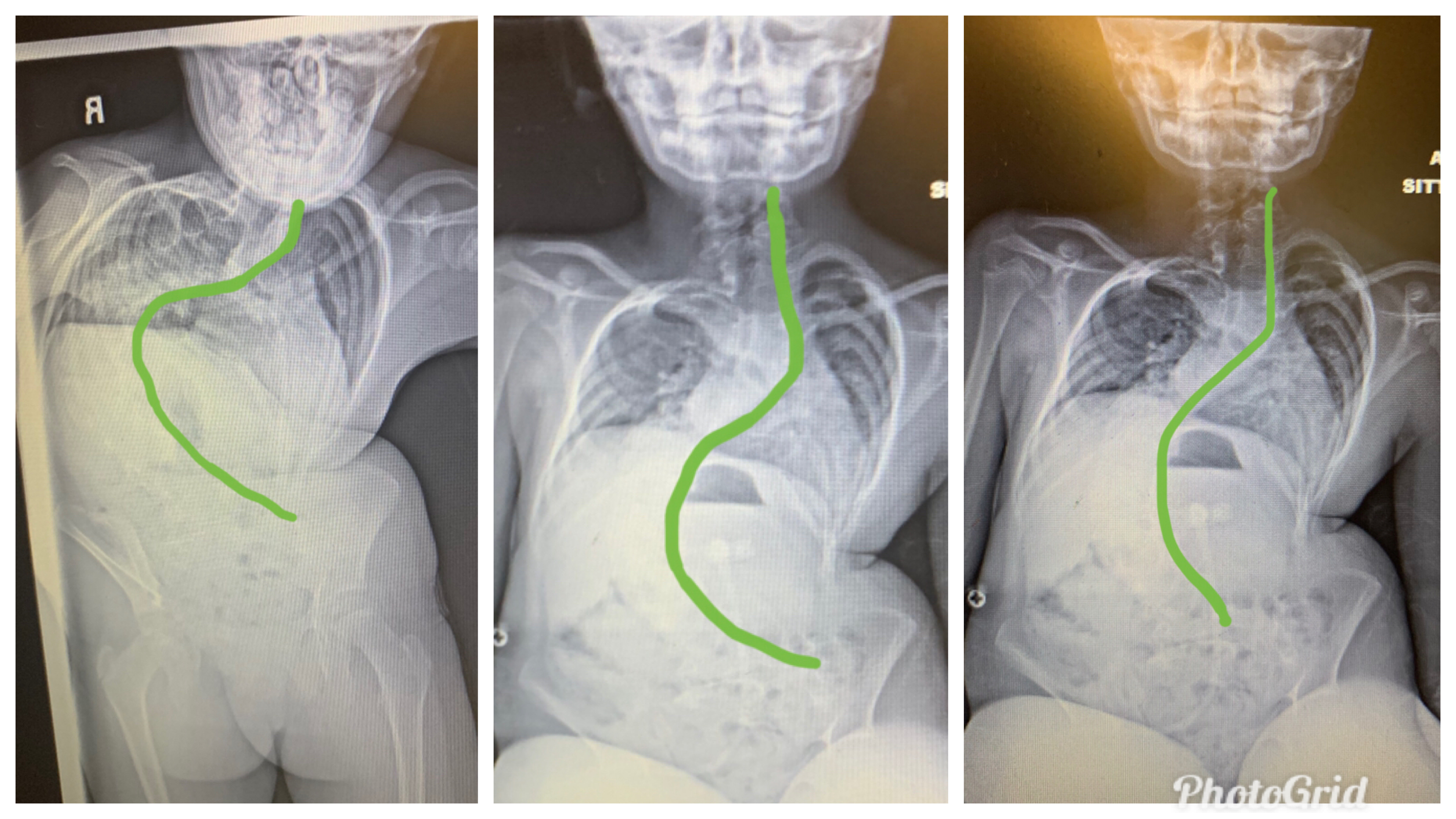
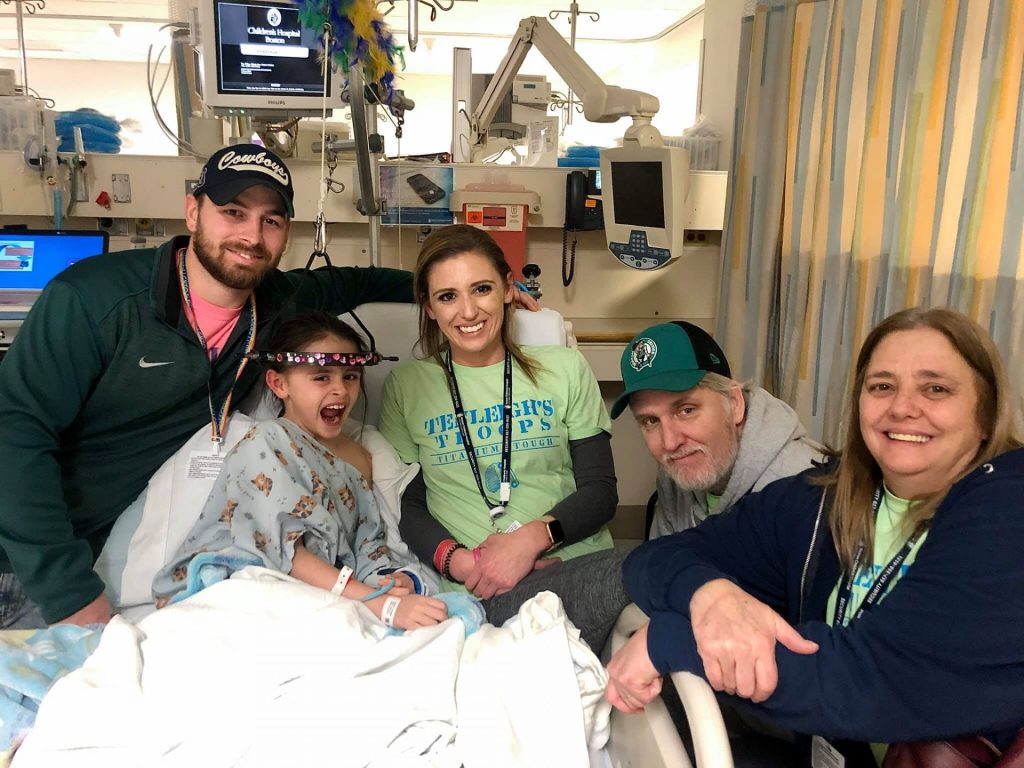
January 01, 2020, the family began their undetermined extended stay at Boston Children’s Hospital. Furthermore, Tenleigh had the halo application applied to her skull with four pins on January 07, 2020, spending the next month attached to a weighted pulley system to lengthen her spine naturally. On February 06, 2020, Dr. Emans removed the halo and implanted two customized growing rods. Overall, Tenleigh’s Cobb Angle (spinal degree of curvature) improved from approximately 120-130 degrees to 60-70 degrees! Immediately, Tenleigh felt relief. Additionally, she could perform her activities of daily living (ADL’s) better than before and continued to impress the doctors by recovered at lightning speed! After 59 days away from home, the family finally returned home on February 28, 2020.
Boston Children’s Hospital Expenses
Overall, seeking out-of-state medical care carries significant financial hardships. Furthermore, the average growing rod expansion cost approximately $20,000 per surgery. In addition to medical bills, there are miscellaneous expenses such as travel, lodging, gas, meals, etc.
Support Tenleigh’s 27th Surgery!
Please help us support current and future surgeries. By contributing, you will help us ensure Tenleigh gets the medical care she needs to survive.

 Tenleigh’s Troops